Fire suppression systems require a clear understanding of the hazard they protect. We help Sheffield commercial buyers scope specialist enquiries for kitchen protection, plant and other defined risks, including maintenance requirements for existing systems.
Start With The Protected Hazard
A commercial cooking line, enclosed plant item and electronic equipment room present very different conditions. The protected volume, fuel, operating temperature and occupancy affect the choice of agent and system. Do not start with a preferred cylinder or assume an existing system will suit replacement equipment.
We begin by clarifying what needs protection and why. Include any insurer conditions, risk assessment findings or equipment manufacturer requirements. Some projects need a specialist engineered design and coordination with building services before a useful price can be prepared, particularly where discharge could affect occupied spaces.
Commercial Kitchen Protection
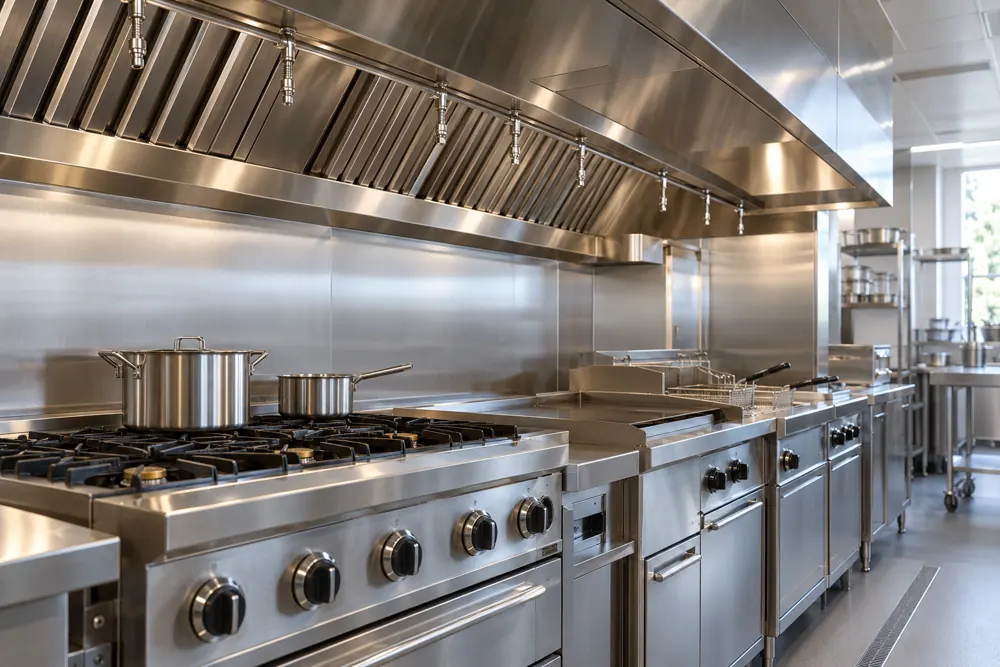
Cooking appliances, extraction canopies, plenums and ducts need to be considered together when designing a kitchen protection system. Appliance position and fuel supply interfaces matter. Replacing a fryer, moving a cooking line or altering extraction can change the protection requirements even if the system itself has not been touched.
Tell the designer about current appliances and planned changes. Access to the canopy and detection arrangement needs to be practical for maintenance. Suppression does not replace routine cleaning or management of cooking hazards, and a protected kitchen still needs a suitable evacuation plan and staff instruction.
Existing Systems And Servicing
For an existing system, gather the design information, commissioning record and service history. The contractor needs the system manufacturer, agent type and protected equipment details. Missing records can limit the conclusions available from a basic visual check and may require a more detailed investigation.
Maintenance should follow the applicable system requirements and manufacturer instructions. The service report should record defects and limitations, including changes to the protected hazard. If the system is isolated or impaired, responsible managers need to understand what protection is unavailable and arrange appropriate measures until it is restored.
Installation And Interface Testing
A suppression project begins with a defined design and clear responsibilities between contractors. Pipework, detection, controls and any fuel or power shutdown arrangements must be coordinated. Plan access and downtime before installation, particularly where catering or production equipment is in regular use.
Commissioning should verify the installed arrangement against the agreed design, including relevant interfaces using appropriate test methods. Handover needs to explain operation, maintenance and actions after a discharge. Keep a record of the protected equipment so later alterations trigger a review rather than quietly invalidating the design assumptions.
Quoting For Suppression Equipment
Cost depends on the hazard, system type, protected dimensions, agent quantity and installation access. Interfaces, shutdown requirements and specialist commissioning can affect the programme. Water-based sprinkler systems involve different design and supply considerations and should be scoped as a separate specialist requirement.
Describe the equipment or space, explain whether the project is new or existing, and include the reason protection is required. For kitchens, list the appliances and describe the extraction arrangement. Ask the quotation to identify design responsibility, commissioning, documentation and future maintenance instead of comparing equipment prices alone.
The Framework
For The Work.
BS EN 17446:2021+A1:2024 addresses fixed automatic extinguishing systems for commercial kitchen protection. Other hazards and system types use different standards and design criteria. A specialist must establish the applicable requirements, risk assessment and manufacturer instructions for the actual installation.
Reference: BSI Standard Overview.
A standard is a technical reference, not a guarantee that a particular building meets every legal duty. Agree the applicable edition and inspection scope with the competent specialist, particularly when existing equipment is being retained or a building is being altered.
Before You Book.
Does A Kitchen Change Require A Suppression Review?
A kitchen fire suppression review is appropriate when cooking appliances, their positions or extraction arrangements change. Nozzle coverage and system capacity relate to the protected equipment. Ask a competent specialist to check the proposed changes before relying on the existing system.
Retain the updated design and commissioning information with your fire-safety records.
Is Fire Suppression The Same As A Sprinkler System?
Fire suppression is a broad term covering several ways of controlling or extinguishing fire. A sprinkler system is one type of water-based protection, while a kitchen may use a different extinguishing agent. The hazard, insurer requirements and design criteria determine the suitable approach.
Describe the risk first so the enquiry reaches an appropriate specialist.
The Other Parts
Of The Picture.
See our Sheffield service areas or send a commercial enquiry with your postcode and premises details.
Discuss Fire Safety At Your Sheffield Address.
A new installation, a maintenance visit or an issue raised in your assessment. Start with your business postcode and a few details about the premises.
Request A Quote